Archive

Saint Isaac the Syrian: Work by Day

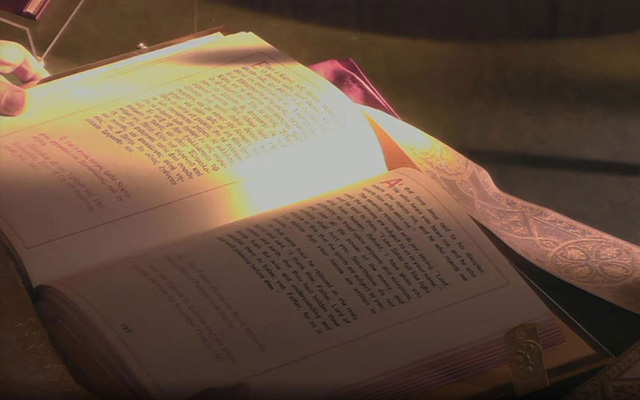
Work by day After the morning Office, when he sat down to read the Bible he became like a man enraptured: with every verse he read he would fall many times on his face, and at many of the phrases he would raise his hands to heaven and glorify God many times over. He was about forty years old, his food was sparse, and in temperament he was dry and warm. Because he used to
Staying by Oneself (Part III)

Makarios the Great said: “What is needful for monks sitting in their cells is that they should collect their understanding far from all worldly cares, without letting themselves wander around in the vanities of this world, that they should strain toward a single goal, their thoughts constantly directed to God, remaining always concentrated, allowing no worldly distraction into their hearts, neither carnal imaginings nor cares about their parents, nor consolation from their families, but that

Staying by Oneself (Part II)

The inner attitude with which monks are supposed to sit in their cells is described by another elder in a drastic image: “When you dwell in the desert as a hesychast [a person who practices quietistic meditation], don’t imagine that you are doing something great. Instead, think of yourself as a dog that has been driven away from the crowd and tied up because he bites and bothers people.” The monks do not remain sitting

Staying by Oneself (Part I)

The ancient fathers continually advise the monks to remain in their kellion, to hold out and not run away from themselves. Stabilitas — constancy, holding on, staying by oneself — is the condition for every kind of human and spiritual progress. St. Benedict sees in stability the cure for the sickness of his day (the time of the great tribal migrations), of uncertainty and constant movement. Stabilitas means remaining in the community that one has