ΧΡΙΣΤΟΣ ΑΝΕΣΤΗ! CHRIST IS RISEN!
~By Orthodoxy Christianity 101
The Theological Meaning of Pascha
Pascha vs. Western Easter: Understanding the Differences
While both Pascha and Western Easter celebrate the Resurrection of Jesus Christ, there are distinct variations that set them apart. As an Orthodox Christian, I’ve observed that the calculation of the date is one of the most significant differences. Pascha often falls on a different Sunday because it’s determined by the Julian calendar, whereas Western Easter uses the Gregorian calendar. This system ensures that Pascha always follows the Jewish Passover, maintaining the link that early Christians saw between the events commemorated by both holidays.
The preparations and observances themselves differ markedly as well. In the lead-up to Pascha, Orthodox Christians engage in Great Lent, a period of fasting and penitence that is more extensive than the Lenten practices of many Western churches. This time reflects a deep spiritual cleansing and preparation for the most important feast of the church year.
The Holy Week liturgies in Orthodox Christianity are soaked with ancient rituals and long services, rich in liturgical drama. The sense of anticipation builds up to the midnight Paschal Vigil, which is the zenith of the liturgical year for me and my community. At the stroke of midnight, churches are plunged into darkness before being illuminated by the light of the Paschal candle, symbolizing the Resurrection’s light. In contrast, Western Easter services may vary widely but often include sunrise services and are generally shorter in duration.
Another important distinction is the traditional Paschal greeting. In Orthodox churches, the greeting “Christ is Risen!” and the response “Truly He is Risen!” are exchanged, reflecting the joyous and communal nature of the celebration. This custom is deeply rooted in the foundational events of Christian faith and continues to be a unifying and uplifting practice.
Throughout the Paschal season, the emphasis on renewal and the victory of life over death is pronounced in both liturgical and domestic Orthodox settings. For me, Pascha is an immersive experience that leaves a lasting impact, transforming spiritual practice into a living reality.
Preparations for Pascha: A Season of Fasting and Prayer
As we delve deeper into the significance of Pascha, it’s essential to recognize the extensive preparation that Orthodox Christians undertake. This preparation is not merely an obligation but a transformative journey aimed at spiritual renewal.
The traditional preparation for Pascha, known as Great Lent, is a 40-day period that serves as a time for introspection, repentance, and a recommitment to faith. Here’s what this solemn season involves:
- Strict Fasting: Orthodox Christians adhere to a strict fast, abstaining from meat, dairy, and eggs. This discipline helps in cultivating self-control and mindfulness of spiritual priorities.
- Intensified Prayer: During Lent, the frequency and intensity of prayers are heightened. Attending additional church services like the Presanctified Liturgy and the Akathist Hymn embeds a rhythm of worship into daily life.
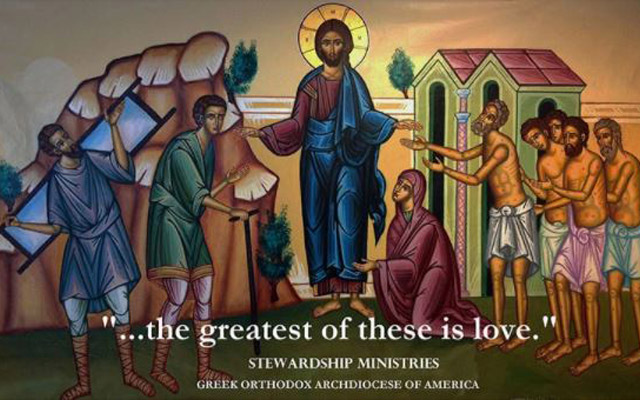
- Almsgiving: Giving to those in need is emphasized, reflecting Jesus’ teachings on compassion and charity.
- Spiritual Reflection: Reading the Bible and lives of the saints, and engaging in spiritual conversations are encouraged to deepen one’s faith and understanding.
The culmination of Great Lent is Holy Week, an emotionally charged sequence of services that reenact the events leading to Jesus’ crucifixion and resurrection. Each day of Holy Week has its own particular focus and set of traditions that are diligently observed:
- Palm Sunday: Celebration of Jesus’ entry into Jerusalem, often with parishioners carrying palm fronds.
- Holy Wednesday: Anointing with oil for healing, reminding me of the need for spiritual rejuvenation.
- Holy Thursday: Commemoration of the Last Supper and the betrayal of Christ.
- Good Friday: Solemn remembrance of Jesus’ crucifixion with the veneration of the epitaphios, a symbolic bier for Christ.
- Holy Saturday: The day of waiting and quiet reflection before the glory of the Resurrection.
This intensity of devotion not only prepares Orthodox Christians for Pascha but also carves a path for lasting spiritual growth. Through these acts of fasting, prayer, and reflection, we reach a deeper connection with the divine and enter a state of heightened spiritual awareness. The impact of these preparations extends far beyond the Pascha celebration; they shape our approach to faith and life itself.
The Midnight Paschal Liturgy: The Highlight of the Celebration
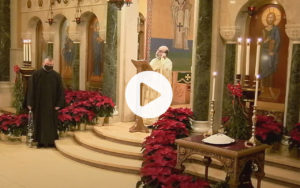
The Midnight Paschal Liturgy stands as the zenith of the Paschal celebrations in Orthodox Christianity, a service teeming with profound symbolism and exultation. As I walk into the candlelit church, there’s a palpable sense of anticipation, the faithful yearning for the culmination of Holy Week’s somber reflections in a burst of joyous revelation.
This liturgy commences in darkness, symbolizing the world before the Resurrection. The church, steeped in shadows, echoes with the solemn chants of the congregation, representing the human condition before Christ’s triumph over death. The darkness, however, is not merely the absence of light but a canvas waiting for the first strokes of dawn’s luminance to break through.
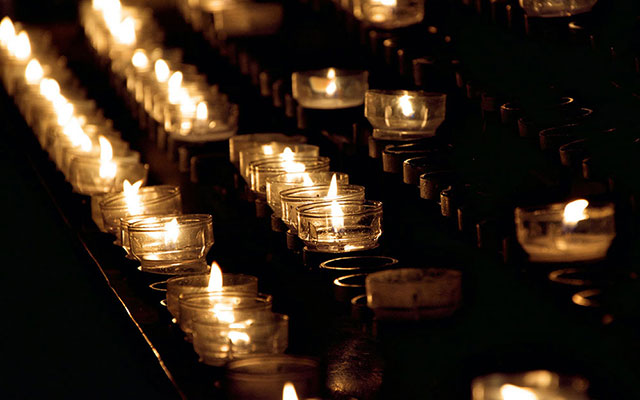
As the clock nears midnight, the priest emerges with a single flame, the Holy Fire, said to be kindled by divine intervention each year in Jerusalem. This flame is the light of Christ, and it rapidly spreads throughout the church, each person’s candle flickering to life as the fire is shared from one to the other. The light multiplies, a metaphor for the spreading of the Gospel and the illumination of the Truth brought forth by the Resurrection.
The procession then moves outside the church, a reenactment of the myrrh-bearing women’s journey to the tomb and their discovery of Christ’s Resurrection. The chant “Christ is Risen!” enraptures the air, and the once darkened church now resonates with the light and the jubilant voices of the faithful.
During the liturgy, the Paschal Canon is sung, a composition rich in theological significance that reaffirms the victory of life over death, and with it, the assurance of salvation. The hymns and readings are carefully selected to guide the faithful through the narrative of the Resurrection, instilling the essence of Pascha into the hearts of everyone present.
Traditionally, the service continues until the break of dawn, the light within the church now competing with the first morning light symbolizing the New Creation. This progression from darkness to light encapsulates the Paschal message, a cornerstone of Orthodox belief, serving not just as a historical memorial but as an ever-present reality shaping our spiritual journey.
~Website of Orthodox Christianity 101, March 26, 2024, “Pascha in Orthodoxy: Why We Celebrate the Holy Season,” https://www.orthodoxchristianity101.com/post/pascha-in-orthodoxy-why-we-celebrate-the-holy-season
***