ΧΡΙΣΤΟΣ ΑΝΕΣΤΗ! CHRIST IS RISEN!
~By Orthodoxy Christianity 101
Pascha, or Easter as it’s widely known, is the most significant feast in Orthodox Christianity. It’s a time when I delve deep into the heart of my faith, celebrating the resurrection of Jesus Christ. This isn’t just a one-day event; it’s the culmination of a sacred season filled with profound spiritual significance.
You might wonder why Orthodox Christians call it Pascha and why it’s often on a different date than Western Easter. I’m excited to share the rich traditions and theological reasons that make this holiday so central to my faith. From the intricate preparations to the jubilant expressions of faith, Pascha is a time of renewal and joy.
In this article, I’ll explore the historical and spiritual reasons behind the celebration of Pascha in Orthodox Christianity. Whether you’re a fellow believer or just curious about this ancient tradition, you’ll find the story behind Pascha both enlightening and inspiring.
The Significance of Pascha in Orthodox Christianity
Pascha stands as the cornerstone of Orthodox Christian faith, marking the Resurrection of Jesus Christ. This pivotal event signifies the victory over death and sin, offering believers the promise of eternal life. The Resurrection is so central to Orthodox Christianity that all elements of the faith revolve around it, making Pascha the most important and joyous celebration of the ecclesiastical year.
To fully appreciate its significance, it’s vital to recognize Pascha’s placement in the church calendar. The Great Lent, a period of fasting and reflection lasting forty days, precedes Pascha. This spiritual journey, culminating in Holy Week, prepares the faithful for the Resurrection through increased prayer, repentance, and fasting. Holy Week itself is an immersive experience, with each day holding its own significant rites and rituals, focusing on the last week of Jesus’ earthly life.
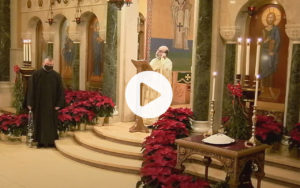
Pascha is not just a historical commemoration but a present reality. Its celebration begins at midnight with the Paschal Vigil, a service of light that starts in total darkness symbolizing the Tomb and erupts into light at the announcement of Christ’s triumph. The Paschal Troparion, “Christ is risen from the dead, trampling down death by death, and upon those in the tombs bestowing life!” is sung joyfully by the congregation, echoing the transformative power of the Resurrection.
Orthodox Christians believe that through Pascha, humanity is renewed and recreated. It’s seen as a chance to spiritually rebirth oneself, to shed the old ways and embrace the new life in Christ. This renewal is not a solitary undertaking but a communal one, as the faithful gather together to break the Lenten fast, share the Paschal meal, and exchange greetings of “Christ is risen,” to which the reply is always “Truly He is risen.”
Incorporating themes of hope, rebirth, and unity, Pascha is a time when the gates of Heaven are believed to be open wide. During this season, the faithful feel especially close to God, reaffirming their faith and the truths that underpin the Orthodox Christian doctrine. The celebration continues for forty days, reinforcing the pillars of love and resurrection until the Ascension of Christ.
The Historical Origins of Pascha
The celebration of Pascha, or Easter as it’s known in the Western Christian tradition, has roots deeply embedded in Jewish history. It’s directly connected to the Jewish festival of Passover, commemorating the Israelites’ exodus from Egypt and their liberation from slavery. This connection is not merely symbolic; the Gospels of the New Testament place the crucifixion and resurrection of Jesus around the time of the Passover festival.
In those early years, Early Christians were mostly Jewish and observed Passover, infusing it with a new layer of significance. They saw Jesus’ death and resurrection as the true fulfillment of the Passover, with Jesus as the Paschal Lamb slain for the salvation of humanity. This reinterpretation transformed the Passover into a Christian festival celebrating the resurrection, eventually coming to be known exclusively as Pascha among Orthodox Christians.
The dating of Pascha was a significant issue in the early Church, leading to the First Council of Nicaea in AD 325. This council was instrumental in establishing a unified date for its observance, separate from the Jewish Passover. The agreed formula was that Pascha would be celebrated on the first Sunday after the first full moon following the vernal equinox, ensuring it would always fall after the Jewish Passover.
- Key events that relate to the historical origins of Pascha:
- Transition from Passover to Pascha as a celebration of Christ’s Resurrection
- First Council of Nicaea’s role in dating the festival
- Development of traditions specific to Christian Pascha over time
Over centuries, Christians developed their own unique Paschal traditions, reflecting the fulfillment of Old Testament prophecies and the new covenant through Christ’s sacrifice. These include the rich liturgies of Holy Week, the Paschal Vigil, and the festive celebration that follows. Through these observances, the historical origins of Pascha are honored and the foundation of Christian faith is joyously proclaimed.
In understanding why, we celebrate Pascha, it’s essential to delve into its theological significance within Orthodox Christianity. At its core, Pascha is a feast of victory — a celebration of Christ’s triumph over death. This fundamental belief encapsulates the promise of eternal life and the hope of resurrection for all believers. It vividly demonstrates God’s power and love, offering redemption from sin and the restoration of humanity’s unity with the Creator.
Pascha stands as the pinnacle of the liturgical year, commemorating not just a historical event, but the very cornerstone of Christian faith: Jesus’ resurrection. It is often referred to as the “Feast of feasts”, surpassing all other religious observances in its importance. The event marks a transition from darkness into light, from death into life, reinforcing the concept that Christ’s resurrection paves the way for the salvation of all mankind.
For Orthodox Christians, Pascha isn’t merely an annual remembrance; it’s a present reality that permeates their daily existence. Each year, the Paschal season renews and strengthens the faithful’s understanding of redemption. The liturgical practices and hymns sung during this period are not just traditional rituals; they’re a living proclamation of the Gospel. Embedded within them are rich layers of symbolism:
- The Paschal candle represents the Light of Christ, dispelling the darkness of the world.
- The Paschal troparion, ‘Christ is risen from the dead, trampling down death by death, and upon those in the tombs bestowing life,’ succinctly captures the essence of the feast.
- The custom of exchanging the Paschal greeting, ‘Christ is risen! He is risen indeed!’, reaffirms the shared joy and communal aspect of the celebration.
This period of reflection and jubilation continues for 40 days following Pascha, until the Feast of the Ascension of Christ. During this time, Orthodox Christians live out the reality of the resurrection, which is reflected in their worship, prayers, and communal gatherings. The Paschal joy is not confined to this period; it extends to every aspect of liturgical life, reaffirming the belief that Christ’s resurrection has indeed transformed the world.
~Website of Orthodox Christianity 101, March 26, 2024, “Pascha in Orthodoxy: Why We Celebrate the Holy Season,” https://www.orthodoxchristianity101.com/post/pascha-in-orthodoxy-why-we-celebrate-the-holy-season
***