Archive

THE MEANING OF THE GREAT FAST (Part VI)

By Mother Mary and Bishop Kallistos Ware The season of Lent, it should be noted, falls not in midwinter when the countryside is frozen and dead, but in spring when all things are returning to life. The English word ‘Lent’ originally had the meaning ‘springtime’; and in a text of fundamental importance the Triodion likewise describes the Great Fast as ‘springtime’: The springtime of the Fast has dawned, The flower of repentance has begun to
THE MEANING OF THE GREAT FAST (Part V)

By Mother Mary and Bishop Kallistos Ware If we are to understand correctly the text of the Triodion and the spirituality that underlies it, there are five misconceptions about the Lenten fast against which we should guard. In the first place, the Lenten fast is not intended only for monks and nuns, but is enjoined on the whole Christian people. Nowhere do the Canons of the Ecumenical or Local Councils suggest that fasting is only for monks

THE MEANING OF THE GREAT FAST (Part IV)

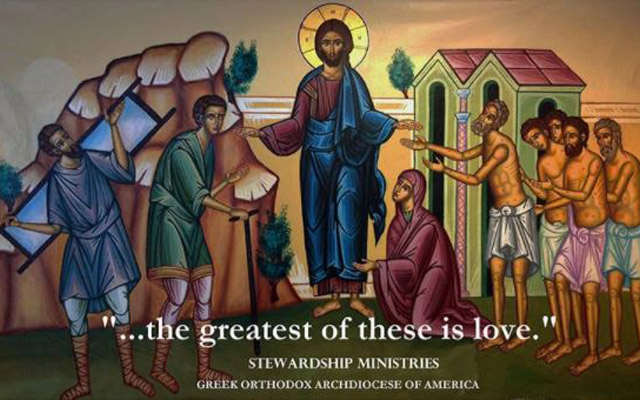
By Mother Mary and Bishop Kallistos Ware Prayer and fasting should in their turn be accompanied by almsgiving – by love for others expressed in practical form, by works of compassion and forgiveness. Eight days before the opening of the Lenten fast, on the Sunday of the Last Judgment, the appointed Gospel is the Parable of the Sheep and the Goats (Matt. 25′: 31-46), reminding us that the criterion in the coming judgment will not

THE MEANING OF THE GREAT FAST (Part III)

By Mother Mary and Bishop Kallistos Ware If it is important not to overlook the physical requirements of fasting, it is even more important not to overlook its inward significance. Fasting is not a mere matter of diet. It is moral as well as physical. True fasting is to be converted in heart and will; it is to return to God, to come home like the Prodigal to our Father’s house. In the words of

THE MEANING OF THE GREAT FAST (Part I)

By Mother Mary and Bishop Kallistos Ware ‘We waited, and at last our expectations were fulfilled’, writes the Serbian Bishop Nikolai of Ochrid, describing the Easter service at Jerusalem. ‘When the Patriarch sang “Christ is risen”, a heavy burden fell from our souls. We felt as if we also had been raised from the dead. All at once, from all around, the same cry resounded like the noise of many waters. “Christ is risen” sang

Sermon on the Sunday of Orthodoxy

By Fr. Raphael Daly This morning, I would like to tell you the story of two women, who chose very different paths for their respective lives, but arrived at the same destination. The background for this story is the iconoclast controversy, and the feast we celebrate today – the Sunday of Orthodoxy. I won’t get into the history of the iconoclast controversy this morning – there are many fine books on the subject already written,

The Virtue of Joy

CLEAN WEEK Let us joyfully begin the all-hallowed season of abstinence; and let us worship with the bright radiance of the holy commandments of Christ our God, with the brightness of love and the splendor of prayer, with the purity of holiness and the strength of good courage. So, clothed in raiment of light, let us hasten to the Holy Resurrection on the third day, which shines upon the world with the glory of eternal

CLEAN MONDAY, FASTING AND GREAT LENT

THE TRIODION Great Lent is the 40-day season of spiritual preparation that comes before the most important Feast of the Christian year, Holy Pascha (which means “Passover” and is commonly called “Easter”,). It is the central part of a larger time of preparation called the Triodion season. The Triodion begins ten weeks before Easter and is divided into three main parts: three Pre-Lenten weeks of preparing our hearts, the six weeks of Lent, and Holy Week. The main theme of

Return to Paradise

Adam was driven out of Paradise, because in disobedience he had eaten food; but Moses was granted the vision of God, because he had cleansed the eyes of his soul by fasting. If then we long to dwell in Paradise, let us abstain from all needless food; and if we desire to see God, let us like Moses fast for forty days. (Third Troparion of the Praises, Matins of Forgiveness Sunday) 8 ANOTHER THEME OF

Do Not Pass Judgment

Consider well, my soul: do you fast? Do not despise your neighbor. Do you abstain from food? Do not condemn your brother. (Fourth Troparion of the Praises, Matins of Meatfare Sunday) IT IS SIGNIFICANT THAT THE DAY before Lent begins (Cheesefare, or Forgiveness, Sunday) we hear this lesson from St. Paul’s Epistle: Let not him who eats despise him who does not eat, and let not him who does not eat judge him who eats;