ΧΡΙΣΤΟΣ ΑΝΕΣΤΗ! CHRIST IS RISEN!
~By Orthodoxy Christianity 101
Joyful Traditions and Customs of Pascha
Orthodox Christians worldwide cherish the rich and joyful traditions that mark the celebration of Pascha. My personal experiences with these customs reveal a tapestry of practices that embody the essence of this high feast.
Paschal Foods
Preeminent among Paschal celebrations is the breaking of the Lenten fast. I look forward to savoring the taste of Paschal bread, also known as tsoureki, its sweet, braided loaves symbolizing the intertwine of the Holy Trinity. Another staple is magiritsa, a traditional soup prepared with lamb offal, signifying the end of Lent’s abstention. And let’s not forget the red dyed eggs, a vibrant symbol of life and Christ’s resurrection which often take center stage at the Paschal feast.
Home Blessings
As the Holy Week unfolds, I’ve witnessed many families inviting priests into their homes for a Paschal blessing. This custom reinforces the connection between the Church’s celebration and the domestic sphere, making the joy of Pascha palpable in our daily lives.
Processions and Gatherings
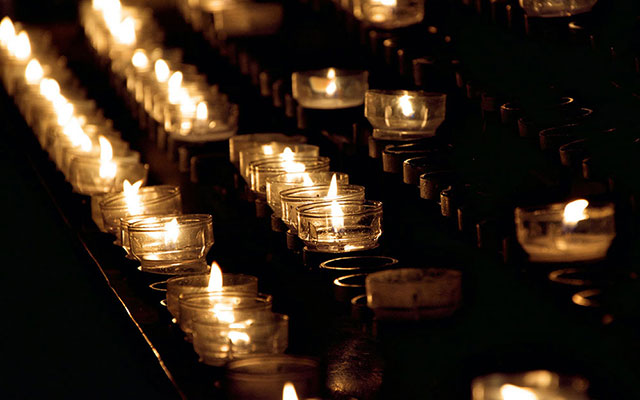
The communal aspect of Pascha finds its expression in the various processions and gatherings. In my own community, I’ve observed the significance of the outdoor procession during the midnight service, where parishioners circulate the church holding candles, representing the light of Christ illuminating the world. Following this solemn procession, the churchyard often becomes a place of reunion and celebration, with people exchanging greetings of “Christos Anesti!” (“Christ is Risen!”) and “Alithos Anesti!” (“Truly He is Risen!”).
These customs and traditions are not mere formalities; they’re the living heritage of Orthodox Christianity, shaping our spiritual landscape every year. As I gather with family and friends, enjoying dishes steeped in symbolic meaning and participating in ancient liturgical practices, I’m reminded that Pascha is an ever-renewing wellspring of faith, hope, and communal unity.
Pascha: A Time of Renewal and Joyful Celebration
Pascha, or Easter as it’s widely known in the Western Christian tradition, is the cornerstone of the Orthodox Christian year. It’s a celebration that marks the resurrection of Jesus Christ and holds profound spiritual significance. As the Lenten period culminates, Orthodox Christians enter a phase of renewal — a resurrection of the spirit and reaffirmation of faith.
For me, Pascha isn’t just a day on the calendar; it’s an experience that permeates every aspect of life. It’s the time when the grueling fast gives way to a feast of the senses and the soul. During this period, families and communities come together to share in the joy and the promise of new beginnings.
The festive atmosphere is tangible with special hymns and liturgies like the Midnight Service. The church becomes a beacon of light as parishioners hold candles, symbolizing the Light of Christ. It’s an ethereal moment that transcends the mundane, bridging the gap between the divine and the earthly.
As I participate in the festivities, I’m reminded that Pascha is also about inclusivity and love. People greet each other with “Christ is Risen,” and the response, “Truly He is Risen,” echoes the universal truth celebrated at this time. Children laugh and play games, while adults reflect on the deeper meanings of the Resurrection.
The communal aspects of Pascha are evident in the sharing of a meal — breaking bread as one large family. The Paschal bread, a rich, sweet bread called tsoureki, takes center stage. It’s not just food; it’s a reminder of the sweetness of life that comes with spiritual awakening.
Eggs dyed red symbolize the blood of Christ and the promise of eternal life. Cracking them open is not just a playful tradition but a metaphor for breaking free from the tomb of sin and death.
During Pascha, I find my own spirits lifted as I join in the ancient rhythms of celebration that have bound communities together for centuries. It’s in these moments that time stands still, and we partake in the joy and renewal that has been the hallmark of this sacred season through the ages.
Conclusion
Pascha stands as a beacon of hope and renewal in Orthodox Christianity. It’s a time when the breaking of bread and the sharing of red dyed eggs become profound acts of faith and unity. Participating in these ancient rhythms has always been a source of joy and spiritual rejuvenation for me. It’s in these moments that we truly grasp the essence of our faith — celebrating the resurrection and embracing the communal spirit that defines our tradition. This festive season renews our spirits, reminding us of the enduring power of our shared beliefs and the joyous celebration of life’s triumph over death.
~Website of Orthodox Christianity 101, March 26, 2024, “Pascha in Orthodoxy: Why We Celebrate the Holy Season,” https://www.orthodoxchristianity101.com/post/pascha-in-orthodoxy-why-we-celebrate-the-holy-season
***